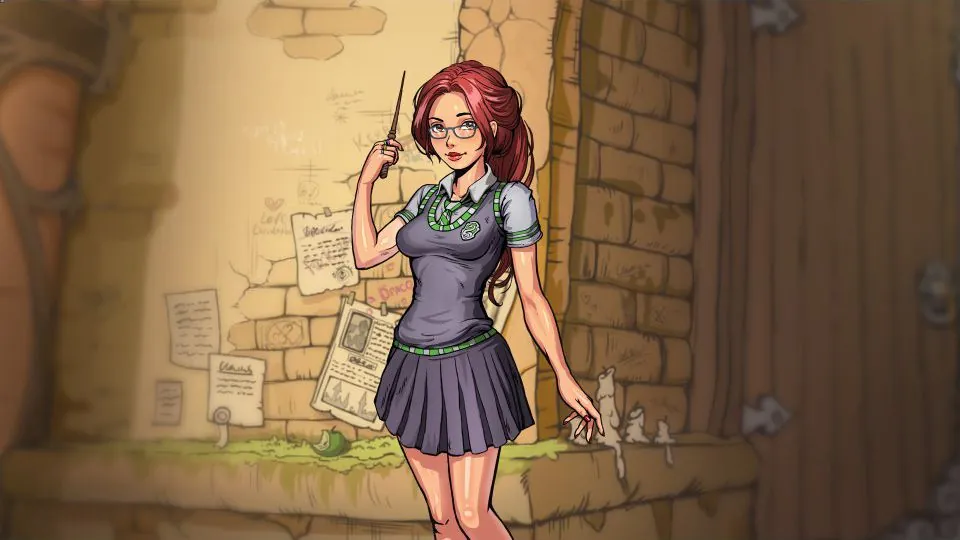
Only a Dream
Play Only a Dream
Only a Dream Screenshots
















Only a Dream review
Explore the immersive world and unique features of Only a Dream
Only a Dream is a captivating interactive game that blends storytelling with immersive gameplay, offering players a unique experience in its genre. This article dives deep into the game’s core mechanics, narrative elements, and what makes it stand out. Whether you’re new to Only a Dream or looking to enhance your gameplay, this guide provides practical insights and personal observations to help you navigate its dreamlike world.
Exploring the Gameplay and Storyline of Only a Dream
Have you ever played a game that feels less like a pastime and more like a journey into another world? That’s the magic of Only a Dream game. From the moment you start, you’re not just controlling a character; you’re stepping into a living, breathing universe where every choice echoes. 🌌 In this deep dive, we’ll explore the intricate Only a Dream gameplay and the captivating Only a Dream storyline that make this title a standout. I’ve spent countless hours lost in its realms, and I’m here to share everything that makes it an unforgettable experience, along with tips to help you thrive.
What Makes Only a Dream Unique?
So, what sets this title apart in a crowded field? 🎯 The answer lies in its perfect marriage of interactive game features and emotional depth. While many games treat story and mechanics as separate entities, Only a Dream blends them so seamlessly that your actions feel like whispers shaping the dream itself. I recall my first session, where I spent an hour simply wandering a shimmering forest, not for a quest, but because the atmosphere pulled me in. That sense of organic discovery is central to the Only a Dream game experience.
Unlike linear adventures, this game thrives on player agency. Your decisions—from conversational nuances to moral dilemmas—aren’t just logged; they dynamically alter the environment and relationships. 🍂 For instance, helping a minor character might later unlock a secret path that completely bypasses a major challenge. This design philosophy means no two playthroughs are identical, encouraging exploration and experimentation.
The audio-visual design also plays a huge role. The soundtrack adapts to your emotional state in-game, and visuals shift from serene to surreal based on narrative tension. It’s a masterclass in immersion. My practical advice? Play with headphones and let yourself get lost. Don’t rush; savor the ambient details. They often hide clues or story beats that enrich the game narrative. Also, talk to everyone! Even seemingly background characters can offer quests or lore that deepen the world.
Key Gameplay Mechanics and Features
Let’s peel back the layers of Only a Dream gameplay. At its core, the gameplay mechanics are built on three pillars: intuitive navigation, meaningful decision-making, and flexible progression. 🕹️ Navigation uses a context-sensitive system where the dream world reacts to your intent. Point at a distant landmark with curiosity, and paths might emerge; approach with fear, and obstacles could materialize. This makes exploration feel personal and reactive.
Decision-making is the heartbeat of the experience. Every dialogue choice, action, or even hesitation is tracked by the game’s “Echo Engine,” influencing future events. Progression isn’t about leveling up in a traditional sense. Instead, you grow by understanding the world and your place in it, unlocking new abilities like “Memory Recall” to revisit past moments or “Dream Weaving” to subtly alter environments. A tip from my playbook: Keep multiple save files at key decision points. It lets you explore branches without losing progress and fully appreciate the interactive game features.
To illustrate how these mechanics tie into the story, here’s a comparison of key elements:
| Gameplay Feature | Narrative Impact |
|---|---|
| Dynamic Dialogue Tree | Determines alliance, betrayal, or romance with core characters, altering main plot direction. |
| Environmental Puzzle Solving | Reveals hidden character backstories and world lore, essential for understanding the central mystery. |
| Choice-Driven Skill Unlocks | Your moral alignment (e.g., empathetic vs. logical) unlocks unique abilities that change how story challenges are resolved. |
| Procedural Memory Sequences | Access to fragmented past memories shifts based on actions, personalizing the protagonist’s journey and motivations. |
🔄 Another standout is the “Consciousness Meter,” a subtle UI element that reflects your character’s mental state. Let it dip too low by making stressful choices, and the world becomes distorted, introducing survival-horror elements. Managing this through calming interactions or facing fears head-on adds a strategic layer to the Only a Dream gameplay. My strategy? Balance aggressive and peaceful choices to keep the meter in a “Lucid” state, which often reveals the most narrative content.
Understanding the Narrative and Characters
The Only a Dream storyline is where the game truly shines. It’s a poignant tale about identity, loss, and reconciliation, set within a collapsing dreamscape. 🎭 The game narrative doesn’t unfold in cutscenes you watch; it unfolds in moments you live. You play as the Dreamer, a figure with a hazy past seeking to prevent the “Great Awakening” that could erase this world. The structure is elegantly non-linear—think of it as a web of interconnected dreams, where the order you experience them shapes your understanding.
Key characters are far from static. Take Elara, the steadfast Guide who may become an adversary or ally based on your trust. Or Kael, the mischievous Weaver whose fate is tied to how you handle deception. The character development in Only a Dream is profound because it’s bidirectional; they change because of you, and you uncover their layers through interaction, not exposition. I always make a point to revisit characters after major events; their updated dialogues often contain crucial insights.
Here’s a personal anecdote that stuck with me. During one playthrough, I faced a pivotal choice: salvage a decaying memory bridge to progress quickly, or spend time comforting a fading spirit, slowing my advance. 🌉 I chose compassion, expecting a minor reward. Instead, that spirit later reappeared as a guardian in a final battle, sacrificing itself to give me a crucial advantage. That moment wasn’t just a gameplay win; it felt emotionally earned, highlighting how the Only a Dream storyline rewards empathy. It taught me that every side interaction can resonate deeply, making the world feel alive and responsive.
To engage fully with the narrative, I recommend role-playing consistently. Decide on a core personality for your Dreamer—are they curious, cautious, or rebellious?—and stick to it. This consistency makes the story feel cohesive and your outcomes more satisfying. Also, pay attention to environmental storytelling. Faded murals, echoing whispers, and shifting landscapes often convey more about the game narrative than any dialogue. Keep a notepad handy; jotting down symbols and names helped me piece together mysteries faster.
Ultimately, the beauty of Only a Dream game is how it makes you an active participant in its tale. The Only a Dream gameplay mechanics aren’t just tools for progression; they’re the language through which the story is told. Whether you’re unraveling the poignant Only a Dream storyline or nurturing character development in Only a Dream, you’re not just playing a game—you’re living a dream that remembers your name. ✨ Take your time, listen closely, and let your choices echo.
Only a Dream offers a rich, immersive experience that combines engaging gameplay with a compelling narrative. By understanding its unique features and storyline, players can fully appreciate the depth and creativity embedded in the game. Whether you’re exploring the dreamlike environments or making impactful choices, Only a Dream invites you to dive into a world where your decisions shape the journey. Ready to experience the dream? Start playing and discover what awaits.