
The Restaurant
Play The Restaurant
The Restaurant Screenshots










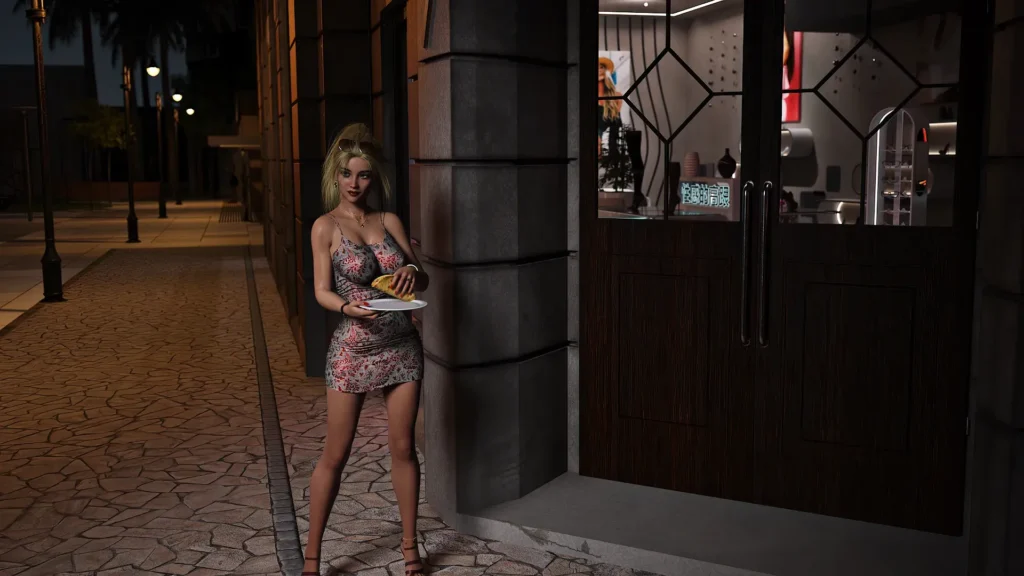
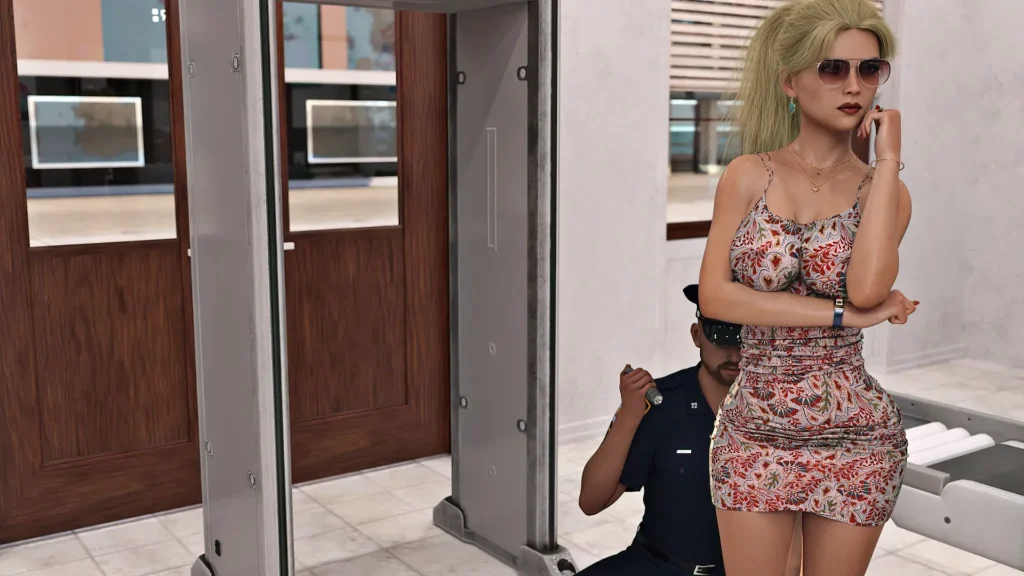









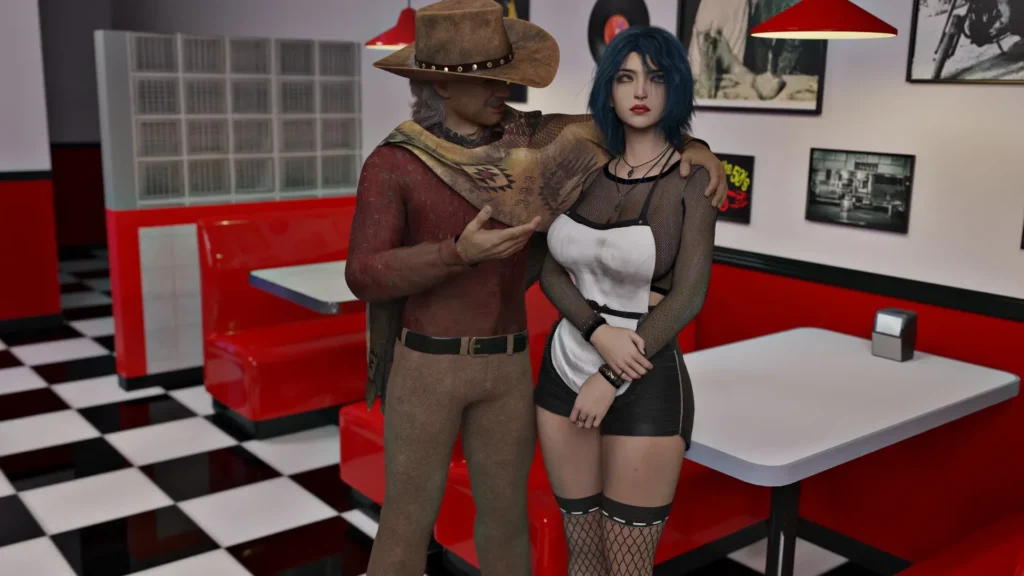




The Restaurant review
Explore the unique storytelling and character-driven experience of The Restaurant game
The Restaurant is a captivating game that immerses players in the daily life of a restaurant employee, blending narrative depth with interactive gameplay. Unlike typical games, it focuses on character relationships, choices, and atmospheric exploration within a single setting. This article dives into what makes The Restaurant a standout title, offering practical advice, personal insights, and a detailed look at its core mechanics and storytelling elements.
Understanding The Restaurant: Gameplay and Narrative
Let me tell you about the night I accidentally got Sasha, our head chef, fired. 😬 I was trying to help a regular customer find her missing necklace, which led me to snooping in the kitchen storage. I found the necklace, all right—tucked behind a sack of potatoes. But in my haste, I also knocked over Sasha’s meticulously prepared mise en place. When the dinner rush hit, chaos ensued. Sasha blamed me for the sabotage, the owner was furious about the negative reviews, and my attempt to be a hero permanently fractured my character relationships with the kitchen staff. This is the magic of The Restaurant game; your well-intentioned choices have real, and sometimes devastating, consequences.
This narrative-driven game isn’t about managing resources or cooking simulators. It’s a interactive storytelling experience set entirely within the walls of a single, bustling establishment. You play as a new waiter, and your tools aren’t pots and pans, but dialogue choices, careful observation, and the decisions you make while interacting with a rich cast of patrons and coworkers. Every shift is a new chapter in your own unfolding story.
What Makes The Restaurant Unique? 🍽️
Forget expansive open worlds; the genius of The Restaurant lies in its deep focus. The entire game takes place in one detailed, living location. Your playground is the dining floor, the kitchen pass, the back alley, and the staff room. This constraint is its greatest strength, allowing for an astonishing level of environmental storytelling and interactive storytelling depth. You learn the rhythms of the place—which table argues every Thursday, which waiter is always late, which wine the owner secretly drinks when stressed.
The core gameplay mechanics are elegantly simple: you walk, you talk, you look, and you choose. 🎭 Your primary interactions are conversations, presented through a choice-based dialogue system. There are no skill trees or stat boosts; your “progress” is measured purely through the knowledge you gain and the relationships you build. Will you eavesdrop on the financiers at Table 3, or help the new dishwasher with his broken mop? Each action consumes your limited time before the next wave of customers arrives, forcing you to prioritize what—and who—matters most to your story.
Pro Tip: Treat every shift like a live stage play. Your coworkers and customers have their own scripts and schedules. Follow them, learn their routines, and you’ll discover hidden conversations and story triggers that most players will miss.
Exploring the Branching Narrative Paths 🔀
This is where The Restaurant game truly shines as a pioneer in branching narrative design. From your very first dialogue option, you are carving a unique path. The game doesn’t just offer an illusion of choice; it has a sophisticated system that tracks your allegiances, your discovered secrets, and even your minor kindnesses or slights.
Let’s take a hypothetical example. Early on, you might overhear the sommelier and the head chef arguing about budget. Later, the owner asks you privately who you think is more valuable to the business.
* If you side with the chef, you might gain access to special kitchen ingredients for certain customers, unlocking new dialogue options with foodies.
* If you side with the sommelier, you might be taught how to recommend rare wines, increasing your tips from wealthy patrons.
* If you refuse to choose, you maintain neutrality but miss both opportunities, potentially pushing the owner to see you as indecisive.
These forks in the road accumulate, leading to dramatically different conclusions. The game boasts multiple endings, not just for your character, but for the fate of the restaurant itself. Will you help uncover the owner’s debt to a shady investor? Will you unite the staff to buy the place? Or will your meddling cause the whole business to collapse? Your branching narrative choices decide it all.
Building Relationships with Characters ❤️🔥
The heart and soul of this experience are the people. The Restaurant is a masterclass in writing compelling, flawed, and deeply human characters. You’re not just serving customers; you’re navigating a complex web of workplace drama, hidden pasts, and personal ambitions.
Two figures are central to your journey: the weary Owner, struggling to keep his dream alive, and the brilliant but temperamental Head Chef, Sasha. Your character relationships with them are the primary engines of the plot. Gain the Owner’s trust, and he may share his financial troubles. Earn Sasha’s respect (unlike my potato-sack fiasco!), and she might confide in you about her rivalries.
But it doesn’t stop there. The regular diner writing a novel, the bartender with a gambling habit, the health inspector who seems too friendly—each has a story that can be explored, influenced, and sometimes resolved through your actions. Helping one character often means alienating another, creating constant, meaningful tension.
To help you navigate this social minefield, here’s a guide to some of the key personalities you’ll manage:
| Character | Role | Key Relationship Dynamics |
|---|---|---|
| The Owner (Mikhail) | Restaurant Proprietor | Seeks loyalty above all. Your choices that affect the restaurant’s reputation or finances will impact his trust in you dramatically. |
| Sasha | Head Chef | Values competence and respect for her kitchen. Support her authority and handle food-related crises well to become an ally. |
| Leo | Bartender & Longest-Serving Employee | Holds all the gossip and history. He can be a great source of information if you invest time in him, but he expects discretion. |
| Madame Vernoux | Influential Food Critic & Regular | Your service and the secrets you learn can directly influence her final review, which is a major plot point. |
The best advice I can give for building relationships is to listen more than you speak. 👂 Often, the most important information isn’t in the direct answers you get, but in the whispers between tables or the muttered complaints during cleanup. Explore every corner between rushes—that dropped receipt or scribbled note in the office can completely change your understanding of a character’s motives.
Ultimately, The Restaurant game offers a powerful reminder of the stories that happen in everyday places. It’s a testament to how deep interactive storytelling can go when it focuses on people, choices, and the beautiful, chaotic drama of life. Your next shift is waiting. What story will you create tonight? 🕯️
The Restaurant offers a rich, character-driven experience that stands out through its focus on narrative depth and player choice. By immersing yourself in the restaurant’s world and engaging thoughtfully with its characters, you unlock unique story paths and endings. Whether you enjoy exploring complex relationships or discovering hidden story layers, The Restaurant provides a memorable and personal gaming journey. Dive in, make your choices, and see how your story unfolds.